What to do (and Not Do) When Chronic Heel Pain Persists

November 21, 2025

What to do (and Not Do) When Chronic Heel Pain Persists

Chronic heel pain can affect far more than just your feet, it can interfere with walking, working, and even simple daily tasks. Whether you’re an athlete constantly on your feet or someone standing long hours for work, persistent heel pain can drastically reduce your mobility and quality of life.

Ignoring early symptoms can lead to worsening pain and more complex issues over time. Understanding the causes, recognizing the risks, and taking a proactive approach with effective treatment options is the best path to recovery and long-term relief.

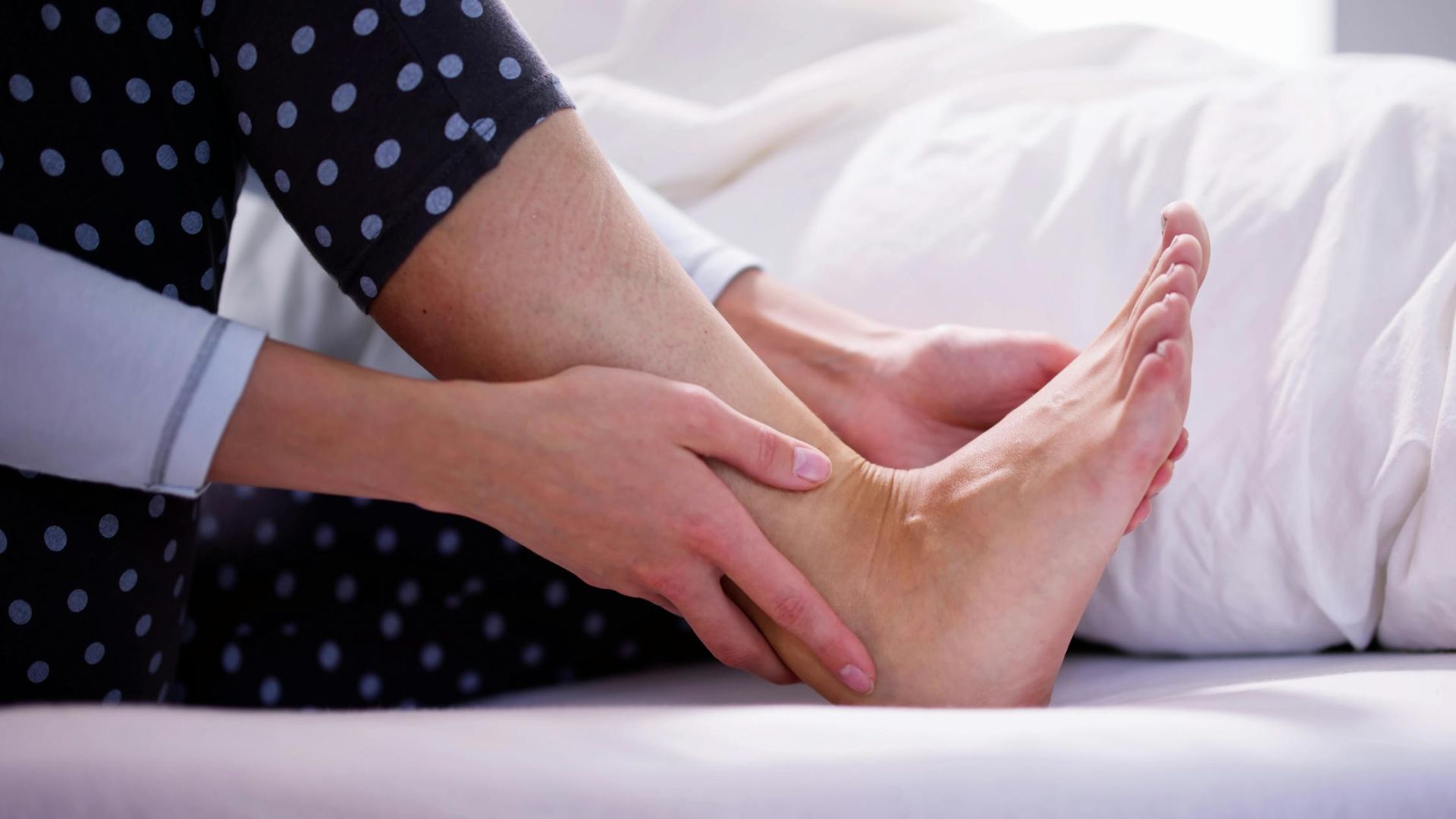
Woman on a couch holding her foot, showing pain. High heels on the floor.

Understanding Chronic Heel Pain: Causes & Symptoms

Common Causes

Plantar Fasciitis: One of the most common culprits of heel pain. It causes sharp, stabbing pain at the bottom of the heel, often worse with your first steps in the morning.

Achilles Tendinitis: This condition causes stiffness and soreness in the back of the heel, particularly after physical activity. It develops from overuse or tight calf muscles straining the tendon.

Heel Spurs: Bony growths that develop on the underside of the heel bone can lead to stabbing pain, especially during walking or standing. They often accompany plantar fasciitis.

Symptoms to Watch For

  • Heel pain that persists for weeks or worsens over time.
  • Swelling, tenderness, or burning sensations in the heel.
  • Pain when walking, standing, or after resting for long periods.

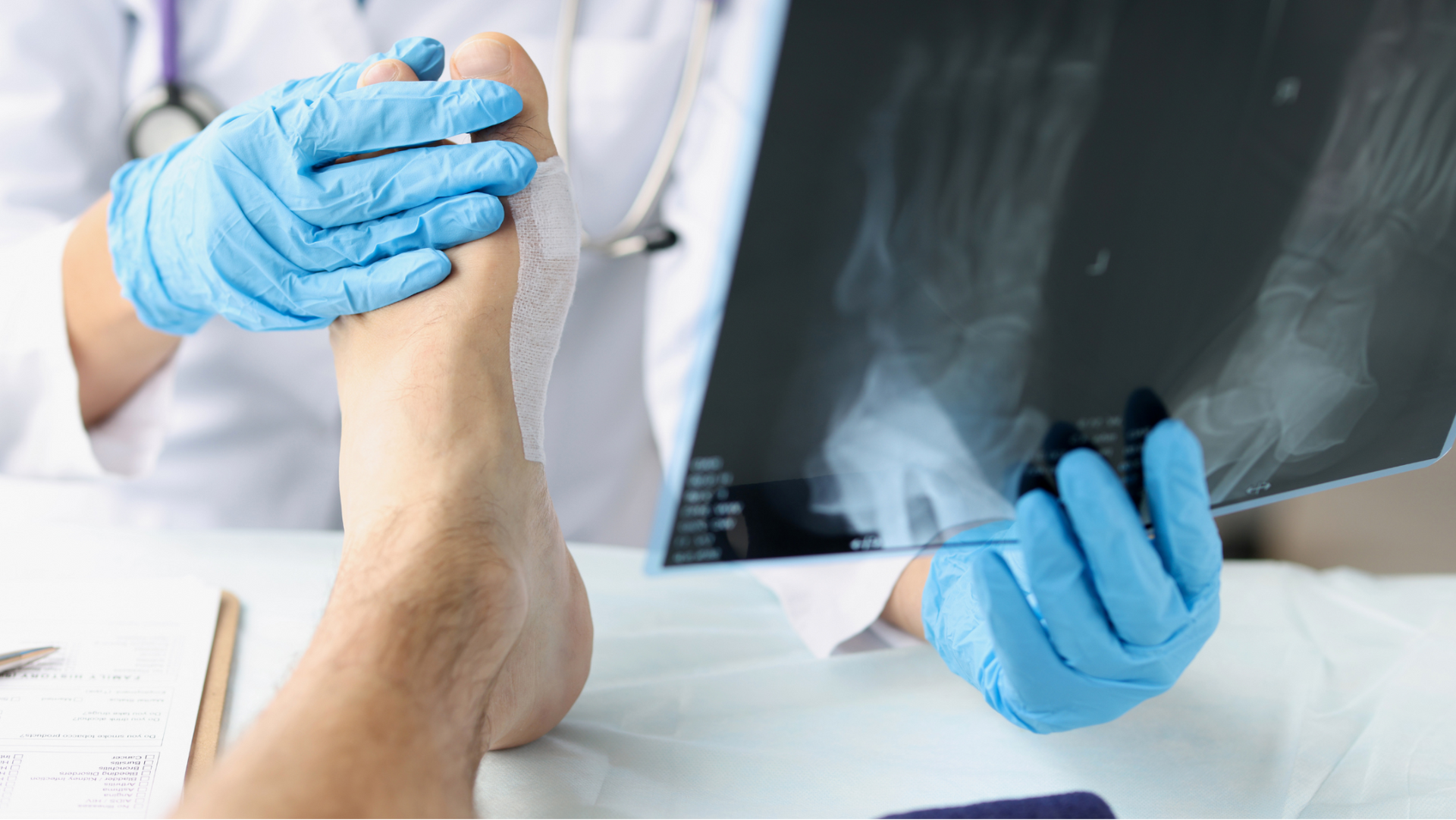
If you notice any of these symptoms, early evaluation by a podiatrist can make all the difference in recovery.

Why Ignoring Heel Pain Can Make It Worse

Dangers of Delaying Treatment

Hoping your heel pain will “just go away” can actually make things worse. Without treatment, conditions like plantar fasciitis or Achilles tendinitis can progress, leading to:

  • Increased inflammation and tissue damage.
  • Pain that spreads to your knees, hips, or back from altered movement.
  • A higher risk of chronic pain that may eventually require injections or surgery.

When to See a Podiatrist

If heel pain lasts more than a few weeks, or if it begins interfering with your ability to walk, exercise, or perform daily tasks, it’s time to see a podiatrist. A professional evaluation helps pinpoint the cause and ensures you receive the right heel pain treatment before complications set in.

Best Strategies for Heel Pain Relief

Wear Supportive Footwear

Proper footwear plays a major role in heel pain relief. Choose shoes that offer:

  • Excellent arch support to distribute pressure evenly.
  • Cushioning that absorbs shock and reduces heel stress.

Supportive sneakers, orthotic-friendly shoes, or sandals with built-in arch support are great options.

Try Custom Orthotics

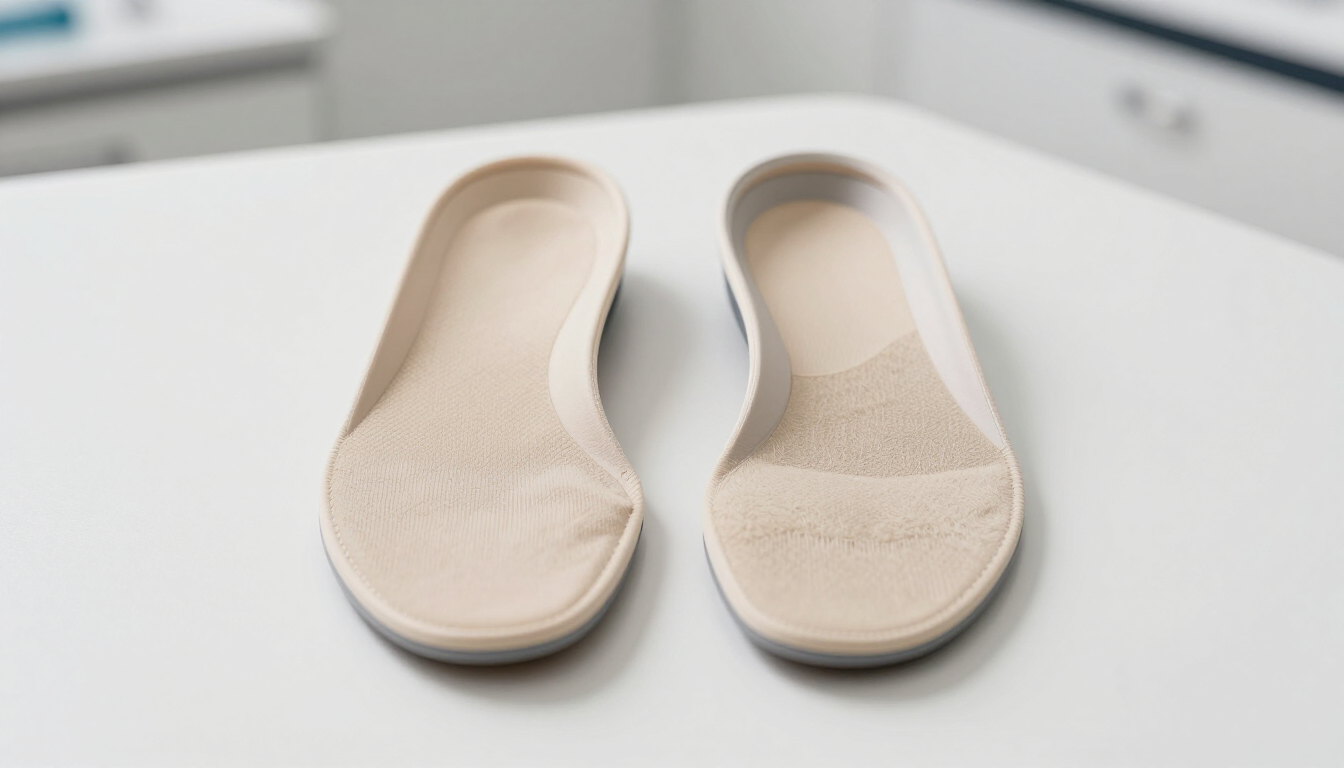
Custom orthotics are personalized shoe inserts designed to improve foot alignment and relieve strain on the heel. They help correct abnormal gait patterns, reduce pressure on painful areas, and provide long-term comfort.

Stretch & Strengthen Your Feet

Gentle stretches and strengthening exercises can greatly improve flexibility and support healing:

  • Calf stretches: Loosen tight muscles and relieve tension on the Achilles tendon.
  • Towel stretches: Improve flexibility in the plantar fascia to reduce morning heel pain.
  • Foot-strengthening exercises: Strengthen intrinsic foot muscles to prevent future injury.

Consistency is key, so performing these exercises daily can prevent recurring heel pain and support recovery.

Explore Advanced Treatment Options

When conservative care isn’t enough, more advanced heel pain treatments may be necessary:

  • Corticosteroid injections help reduce severe inflammation.
  • Physical therapy improves mobility, flexibility, and strength.
  • Minimally invasive procedures or surgery may be considered for severe, persistent pain that resists other treatments.

Your podiatrist will determine the best combination of treatments based on your diagnosis and lifestyle needs.

Taking a Holistic Approach to Foot Health

Managing heel pain isn’t just about treating symptoms; it’s about overall wellness. A holistic approach includes:

  • Maintaining a healthy weight to minimize pressure on your heels.
  • Eating anti-inflammatory foods like turmeric, salmon, and leafy greens to support tissue healing.
  • Engaging in low-impact exercises such as swimming or cycling to stay active without straining your feet.
  • Practicing stress-relief techniques like yoga or meditation to support overall body balance.

These habits can complement medical treatments and prevent future flare-ups.

Person's legs and feet in red sneakers on a treadmill, running in a brightly lit room.

Find Lasting Relief from Heel Pain

Chronic heel pain doesn’t have to control your life. Early intervention, proper footwear, customized orthotics, stretching routines, and professional guidance can all help restore comfort and mobility.

Don’t wait until heel pain becomes unbearable. Address it now with a proactive, comprehensive treatment plan tailored to your needs.

Schedule Your Heel Pain Consultation Today

Take the first step toward lasting heel pain relief. Contact us to schedule your consultation and discover effective, personalized solutions for your chronic heel pain.
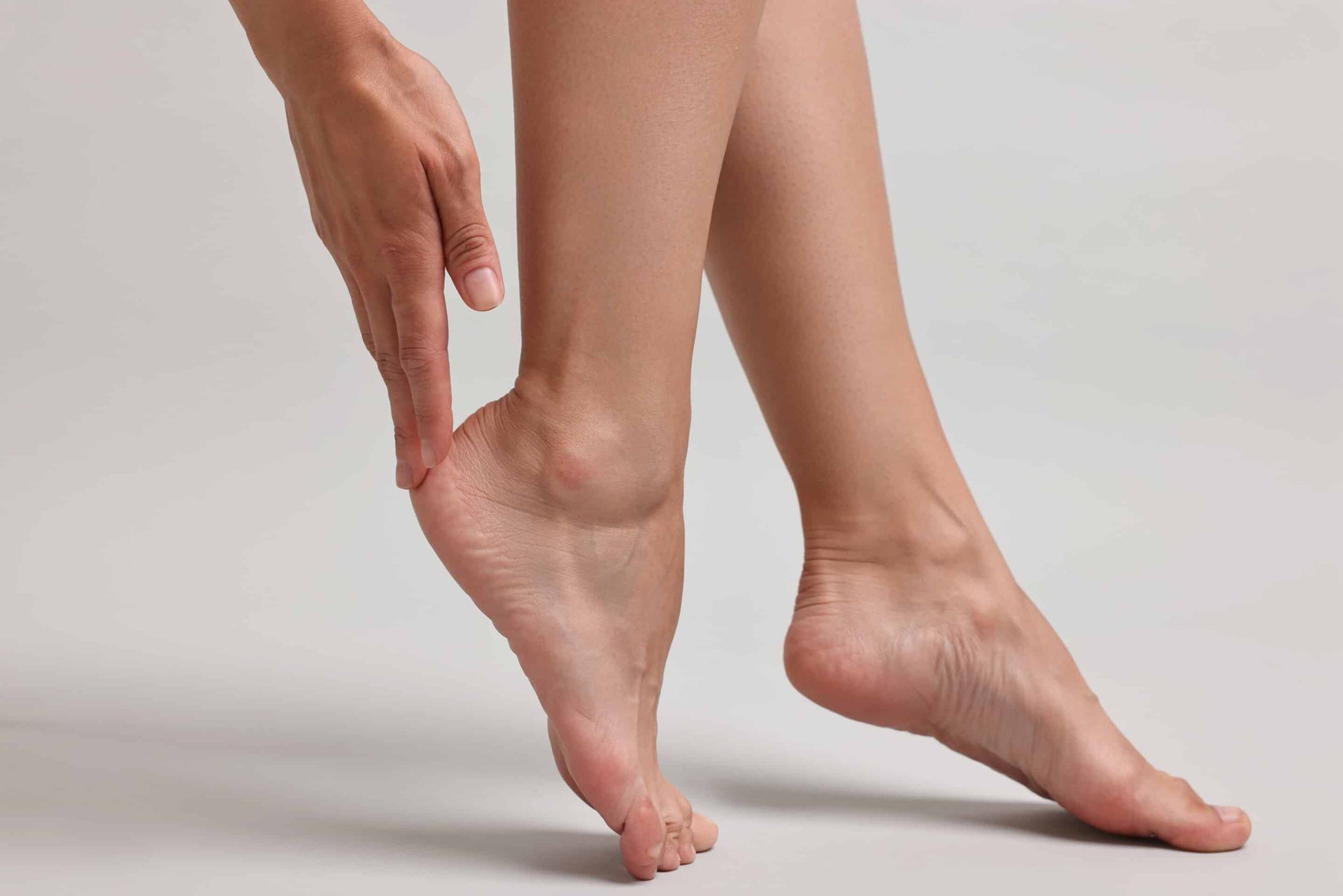
Person's bare feet, one foot raised, hand touching the heel, on a neutral gray background.
By Thomas Boldry, DPM January 27, 2026
Foot with a toenail showing a dark, brown discoloration.
By Thomas Boldry, DPM December 18, 2025
Person placing a blue orthotic in a white sneaker. Light-colored wooden floor in a close-up shot.
By VIV Builder July 17, 2025
Your feet are the foundation of your entire body — when they’re not properly supported, it can lead to pain not just in your feet, but in your ankles, knees, hips, and back, too. That’s where custom orthotics come in! What Are Custom Orthotics? Custom orthotics are medical-grade shoe inserts that are specifically designed for your unique feet, gait, and needs. Unlike over-the-counter insoles, custom orthotics are crafted based on a detailed assessment by your podiatrist, ensuring the perfect fit and support for your lifestyle. Who Can Benefit from Custom Orthotics? Custom orthotics can help people with: ✅ Flat feet or high arches ✅ Plantar fasciitis or heel pain ✅ Bunions or hammertoes ✅ Arthritis ✅ Sports injuries ✅ Foot, ankle, knee, hip, or lower back pain caused by poor alignment How Do They Work? Custom orthotics work by redistributing pressure and correcting misalignments, which helps your feet function properly and comfortably. They can also help prevent future problems by providing the support you need with every step. Ready to Feel the Difference? If you’re experiencing foot or lower body pain, custom orthotics may be the solution you’ve been looking for. Schedule an appointment today and let our foot specialists help you step into lasting comfort and support!
Two bare feet on a gray textured surface, showing the tops of the feet and toes.
By Thomas Boldry, DPM June 20, 2025
Person's legs and feet in red flip-flops on stone floor, ankle bracelet visible, resting by white wall.
By Todd Nielsen May 13, 2025
Pair of human feet, one with a bunion. Light skin tone, white background.
By Thomas Boldry, DPM April 14, 2025
Person walking on a path in a park, wearing athletic clothes, sunny day.
By VIV Builder April 10, 2025
Your feet are the foundation of your body, supporting you with every step you take. We understand that maintaining foot health is crucial to your overall well-being and mobility. In honor of April being National Foot Health Awareness Month, this blog explores why foot health should never be overlooked and provides tips for keeping your feet healthy. Why Foot Health Matters The human foot is a complex structure of 26 bones, 33 joints, and over 100 muscles, tendons, and ligaments. This intricate design allows for movements such as walking, running, and jumping. However, it also means that many things can go wrong if not cared for properly. Poor foot health can lead to a range of issues from simple aches and pains to more severe conditions like plantar fasciitis or diabetic neuropathy. Moreover, problems in your feet can affect other parts of your body, including your knees, hips, and back. Tips for Maintaining Healthy Feet Regular Check-ups: Just like regular dentist visits, regular check-ups with a podiatrist, especially during National Foot Health Awareness Month, can help catch foot problems before they become serious. Proper Footwear: Wear shoes that fit well and provide good support. Different activities require different types of shoes – what you wear for running is not suitable for a day at work. Foot Hygiene: Wash your feet daily, dry them thoroughly to prevent infections, and change socks daily. Stay Active: Regular exercise helps keep your feet and body healthy. Remember to stretch your feet and ankles before and after workouts. Manage Your Weight: Extra weight puts additional pressure on your feet, increasing the risk of foot disorders. Common Foot Conditions and Treatments Plantar Fasciitis: Often felt as heel pain, treated with exercises, proper footwear, and sometimes orthotics. Bunions: Misaligned big toe joints that can become swollen and tender. Treatment options include wearing comfortable shoes, pads, and in severe cases, surgery. Diabetic Foot Care: People with diabetes need to take extra care of their feet as poor blood circulation and nerve damage can lead to serious foot problems. We believe in a proactive approach to foot health. Whether you're an athlete, a busy professional, or enjoying retirement, taking good care of your feet is a step toward a healthier life. Celebrate National Foot Health Awareness Month with us and schedule an appointment today to learn how you can better care for your feet and enhance your overall wellness.
Person's foot being examined; gloved hands use a tool to inspect toenail in a close-up setting.
By Thomas Boldry, DPM January 16, 2025
Bare feet crossed on a blue textured surface.
By Thomas Boldry, DPM November 11, 2024
Show More