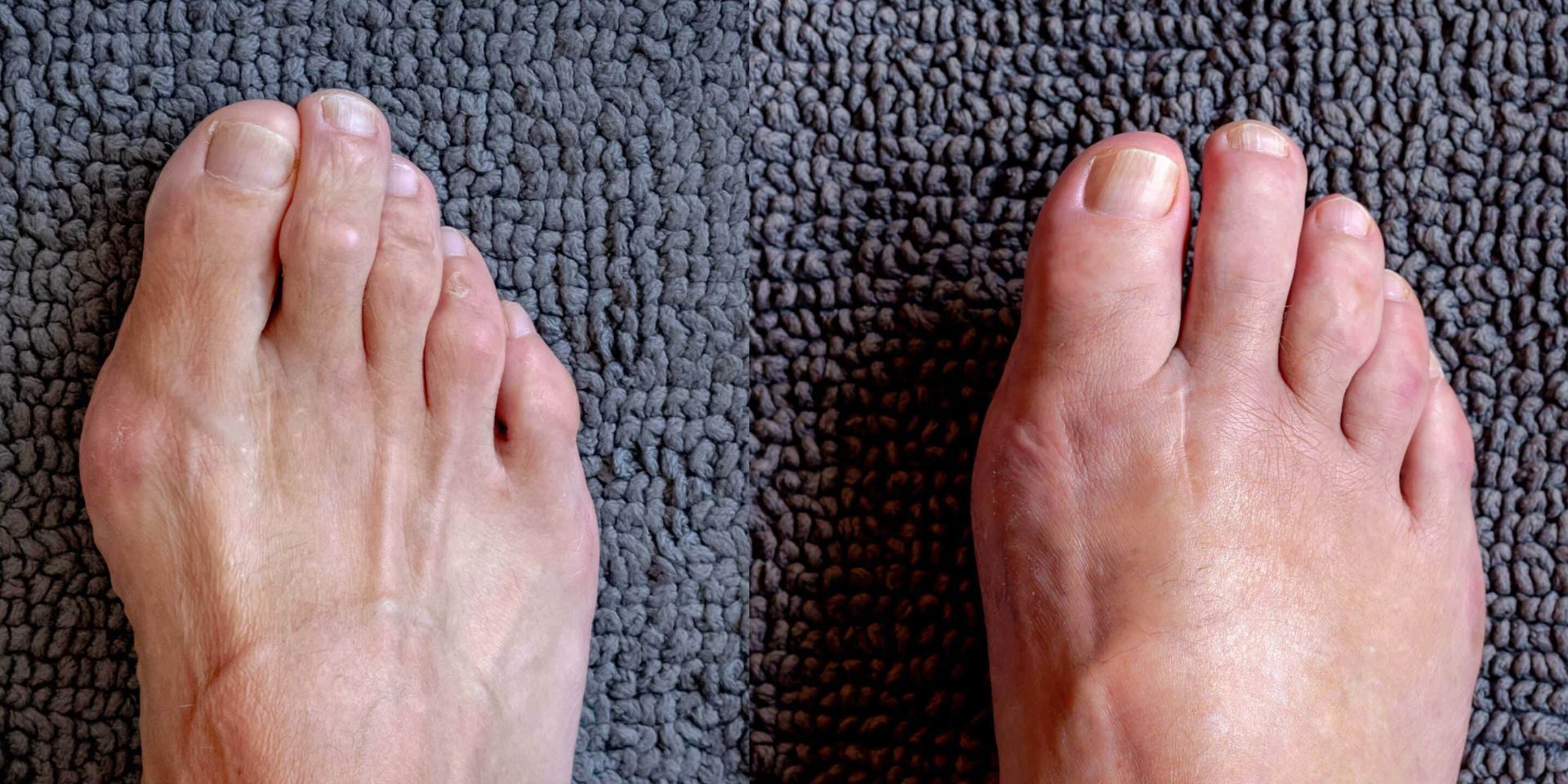
For individuals managing diabetes , the importance of nutrition goes beyond controlling blood sugar levels. Diet plays a crucial role in maintaining foot health, as poorly managed diabetes can lead to serious foot complications like neuropathy , peripheral artery disease (PAD), and diabetic foot ulcers. By making intentional dietary choices, you can significantly reduce the risk of these complications and support overall foot health. In this blog, we’ll explore five essential tips to help you understand the connection between diet, diabetes management, and foot health.

Tip 1: Understand the Diabetes-Diet-Foot Health Nexus
Your diet has a direct impact on your blood sugar levels, circulation, nerve health, and wound healing. These factors are critical for preventing foot complications in individuals with diabetes. High blood sugar levels over time can damage the nerves and blood vessels, leading to poor circulation, slow wound healing, and a loss of sensation in the feet. This makes you more prone to infections and severe conditions like diabetic foot ulcers.
Maintaining stable blood sugar levels is vital to prevent these issues. Keeping your blood sugar in check can reduce the risk of neuropathy and PAD, two common diabetic foot complications. Managing your diet effectively will also ensure that your feet receive the nutrients they need to stay healthy and strong.
Tip 2: Choose Foot-Friendly Foods
A diet that promotes foot health and helps manage diabetes includes low-glycemic foods, which help stabilize blood sugar levels. Incorporating foods that are high in fiber, antioxidants, and anti-inflammatory properties can significantly benefit your foot health.
Some foods to prioritize include:
- Fruits and Vegetables: Berries, leafy greens, and colorful veggies are packed with antioxidants that reduce inflammation.
- Whole Grains: Brown rice, quinoa, and oats help regulate blood sugar.
- Nuts and Seeds: Almonds, flaxseeds, and chia seeds provide healthy fats and fiber.
- Lean Proteins: Fish, chicken, and plant-based proteins like lentils offer essential nutrients for wound healing and circulation.
These nutrient-dense foods not only support stable blood sugar but also provide the vitamins and minerals needed for healthy feet.

Tip 3: Reduce Sodium and Unhealthy Fats for Better Circulation
Excessive sodium and unhealthy fats can impair circulation, a significant concern for those with diabetes. Poor circulation can delay wound healing and increase the risk of infection, especially in the feet. High sodium levels contribute to high blood pressure, which can worsen circulation problems in diabetic patients.
To improve blood flow and support foot health, try the following:
- Limit Sodium Intake: Opt for fresh ingredients over processed foods and use herbs and spices to flavor your meals instead of salt.
- Choose Healthy Fats: Replace saturated and trans fats with heart-healthy fats like those found in olive oil, avocado, and fatty fish. These fats help reduce inflammation and promote better circulation, aiding in the healing process of any foot wounds.
Tip 4: Plan Foot-Friendly Meals
Meal planning is essential for providing your body with the right nutrients to maintain healthy feet while keeping blood sugar levels in check. A balanced diet that includes a variety of nutrient-rich foods can enhance your foot health and overall wellness.
Incorporate the following into your meals:
- Vitamins C and E: These vitamins boost collagen production and promote skin health, essential for preventing foot wounds.
- Omega-3 Fatty Acids: Found in fatty fish, flaxseeds, and walnuts, omega-3s reduce inflammation and support healthy circulation.
- Zinc: This mineral supports immune function and wound healing, making it crucial for foot health.
By focusing on these nutrients, you’ll strengthen your feet and improve their ability to heal if injuries or infections occur.
Tip 5: Read Labels and Cook Foot-Healthy Meals
Understanding what goes into your food is a key step in managing both your diabetes and foot health. Many processed foods contain hidden sugars, excessive sodium, and trans fats that can negatively affect your blood sugar and circulation. Learning how to read labels carefully can help you avoid these harmful ingredients.
Additionally, home-cooked meals allow you to control your ingredients and make healthier choices. Focus on using fresh, whole foods and cooking methods that retain nutrients, such as steaming, grilling, or baking. By prioritizing nutrient-dense, foot-friendly meals, you’re taking an active role in preventing diabetic foot complications.
The connection between diet, diabetes, and foot health is undeniable. By following these five essential tips, you can improve blood sugar management, support healthy circulation, and reduce the risk of foot complications. Your dietary choices are a powerful tool in maintaining optimal foot health, complementing podiatric care, and enhancing your overall well-being.
Take charge of your foot health today by incorporating these diet tips into your daily routine. If you’re concerned about your feet or need personalized guidance, don’t hesitate to reach out to us or call (816)-455-1155 for expert advice on managing your diabetes and foot health together.