Is Bunion Surgery Worth It?
Understanding Bunions and How They Affect Your Life
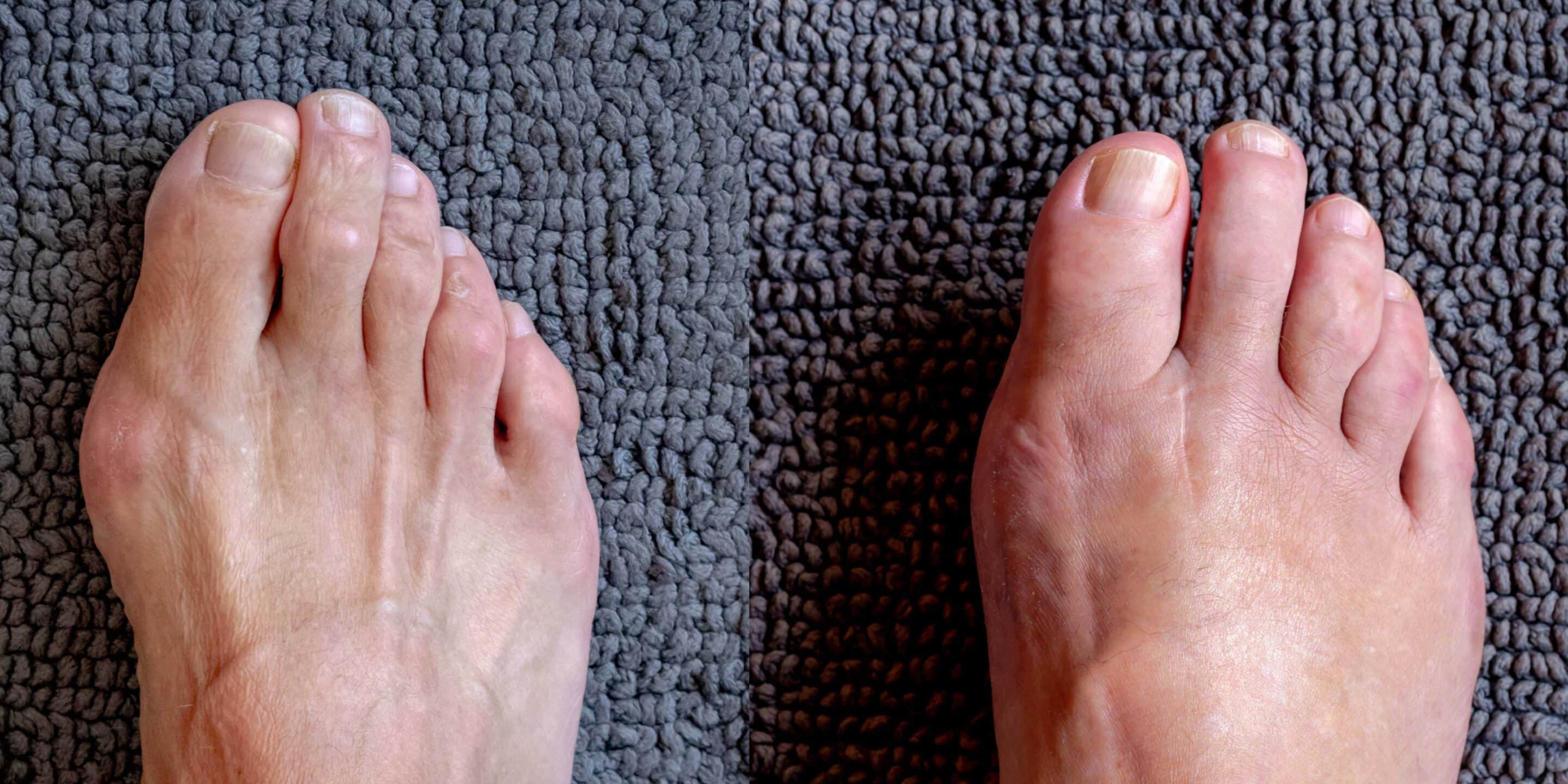
Bunions—also known as hallux valgus—are more than just a bump on the side of your foot. This common foot deformity causes the big toe to shift inward, creating a painful, swollen joint at the base. Left untreated, bunions can make everyday activities uncomfortable, especially walking or wearing regular shoes.
At Comprehensive Foot Centers, we help patients across Kansas City and the surrounding communities find effective relief from bunion pain—whether that means conservative care or surgical correction. In this post, we’ll explore what causes bunions and the best treatment options available today.
What Are the Signs of a Bunion?
Bunions can progress gradually, but they often bring along a set of telltale symptoms:
- A noticeable bump on the outside of the big toe
- Pain and tenderness, especially when walking or wearing tight shoes
- Redness, swelling, or stiffness around the toe joint
- Difficulty finding comfortable footwear
If these symptoms sound familiar, you’re not alone—and there are ways to manage and treat bunions based on your specific needs.
What Causes Bunions?
Understanding what contributes to bunion formation can help you take steps to prevent or slow their progression.
- Genetic Factors: If your parents or grandparents had bunions, you might be at increased risk. Inherited foot shapes and gait patterns often play a big role.
- Poor Footwear Choices: Shoes that are too tight, narrow, or high-heeled put excess pressure on the toes, worsening bunion development over time.
- Flat Feet & Improper Foot Mechanics: Structural problems, such as flat feet or overpronation, cause abnormal movement in the feet, leading to joint misalignment.
- Arthritis & Past Injuries: Inflammatory conditions like arthritis can damage the joint, and previous foot trauma can accelerate bunion growth.
Non-Surgical Bunion Treatment Options
Looking for bunion pain relief without surgery? Many patients see improvement with conservative care, especially in the early stages.
- Custom Orthotics: Supportive insoles can correct foot alignment, reduce pressure, and relieve pain while walking. Learn more about custom orthotics.
- Proper Footwear: Opt for wide-toe box shoes with cushioning and arch support. Brands that focus on foot health can help reduce daily discomfort.
- Padding & Taping: Toe spacers and bunion pads provide cushioning and realignment support, especially during physical activity or long periods on your feet.
- Anti-Inflammatory Medications: Over-the-counter NSAIDs like ibuprofen reduce inflammation and provide temporary relief.
- Ice Therapy: Applying cold packs to the bunion can naturally reduce swelling after activity.
Keep in mind: These treatments help with pain management but don’t reverse or eliminate the bunion itself.
When Is Bunion Surgery Needed?
If conservative treatment no longer controls your pain or mobility, bunion surgery may be the best path to lasting relief. Our podiatrists perform advanced surgical techniques for moderate to severe cases, right here in the Kansas City area and its surrounding communities.
Types of Bunion Surgery
- Osteotomy: Realigns the bone by cutting and repositioning it.
- Exostectomy: Removes the bony bump, often combined with other techniques.
- Arthrodesis (Joint Fusion): Fuses damaged joints to eliminate pain in severe cases.
- Lapiplasty: An advanced, 3D bunion correction procedure that realigns the entire metatarsal bone at its root, providing lasting stability and reducing the risk of recurrence.
What to Expect from the Procedure
Before surgery, we’ll take digital X-rays and perform a full assessment to plan the best approach. Depending on the method, the procedure may take 1–2 hours and typically involves screws or plates to stabilize the bone.
Benefits of Bunion Surgery
While surgery is not for everyone, it provides meaningful results for many patients:
- Significant pain relief and reduced swelling
- Restored mobility and proper foot function
- Prevention of further joint damage and arthritis
- Freedom to wear more types of shoes comfortably
Recovery Timeline After Bunion Surgery
First 2–6 Weeks
Most patients wear a walking boot and avoid putting full weight on the foot. Swelling and soreness are normal during this time.
Up to 6 Months
You’ll gradually return to full activity with the help of physical therapy. Proper footwear and follow-up visits are essential for long-term success.
Is Bunion Surgery Right for You?
The best way to know if surgery is necessary is to speak with our foot and ankle specialists. At Comprehensive Foot Centers, we provide personalized evaluations to help you understand your options—from orthotics and shoe changes to advanced surgical solutions.
Schedule Your Bunion Consultation Today
Don’t let bunion pain control your life. Whether you’re just starting to notice discomfort or you’ve been living with it for years, our team is here to help. Book your appointment with one of our experienced podiatrists today and take the first step toward healthier, pain-free feet.
Bonus Tip:
Looking for prevention tips? Check out our blog Can Bunions Be Prevented?